
By Patrick Walsh · Holy Hammer Home Services · · Updated
A roof warranty should help you understand who stands behind your roof and what happens if something goes wrong. Before signing a roofing proposal, ask about two things: the warranty on the materials and the warranty on the installation.
My explanation is straightforward: a material warranty covers defects in the product. A workmanship warranty covers the work I’ve done. At Holy Hammer Home Services, my workmanship warranty is five years.
The next step is understanding how those warranties apply to your particular roof—and where regular maintenance fits in.
Material coverage and workmanship coverage serve different purposes
A manufacturing defect and an installation problem can both affect a roof, but they are different issues.
The manufacturer’s written warranty explains which product defects qualify for coverage, what remedies are available, and what conditions apply. The contractor’s workmanship warranty addresses the installation work under its own terms.
A leak alone doesn’t tell you which warranty applies. You first need to find out why the water is getting in. That diagnosis should come before a recommendation about repairs or replacement.
How Atlas Signature Select fits into the picture
Holy Hammer offers Atlas Signature Select warranty coverage for qualifying roof systems.
Signature Select involves more than choosing an Atlas shingle. Eligibility depends on the required system components, proper installation, and warranty registration. It provides an extended Premium Protection Period under Atlas’s applicable terms.
For homeowners, the useful questions are practical: Which coverage comes with my proposed roof? What does it cover? How does coverage change over time? What paperwork will I receive?
I handle the Atlas warranty registration for my customers. That gives you someone responsible for completing that part of the process. Keep your warranty certificate and roofing paperwork together so you can refer to the coverage issued for your roof.
Atlas’s manufacturer coverage and my five-year workmanship warranty should each be explained clearly. You should know which company to contact and which written terms apply.
Why maintenance still matters
One situation I’ve encountered involves leaks caused by exposed fasteners that needed resealing.
In those cases, the roofing product had been installed correctly. The problem was a maintenance need that had gone unaddressed.
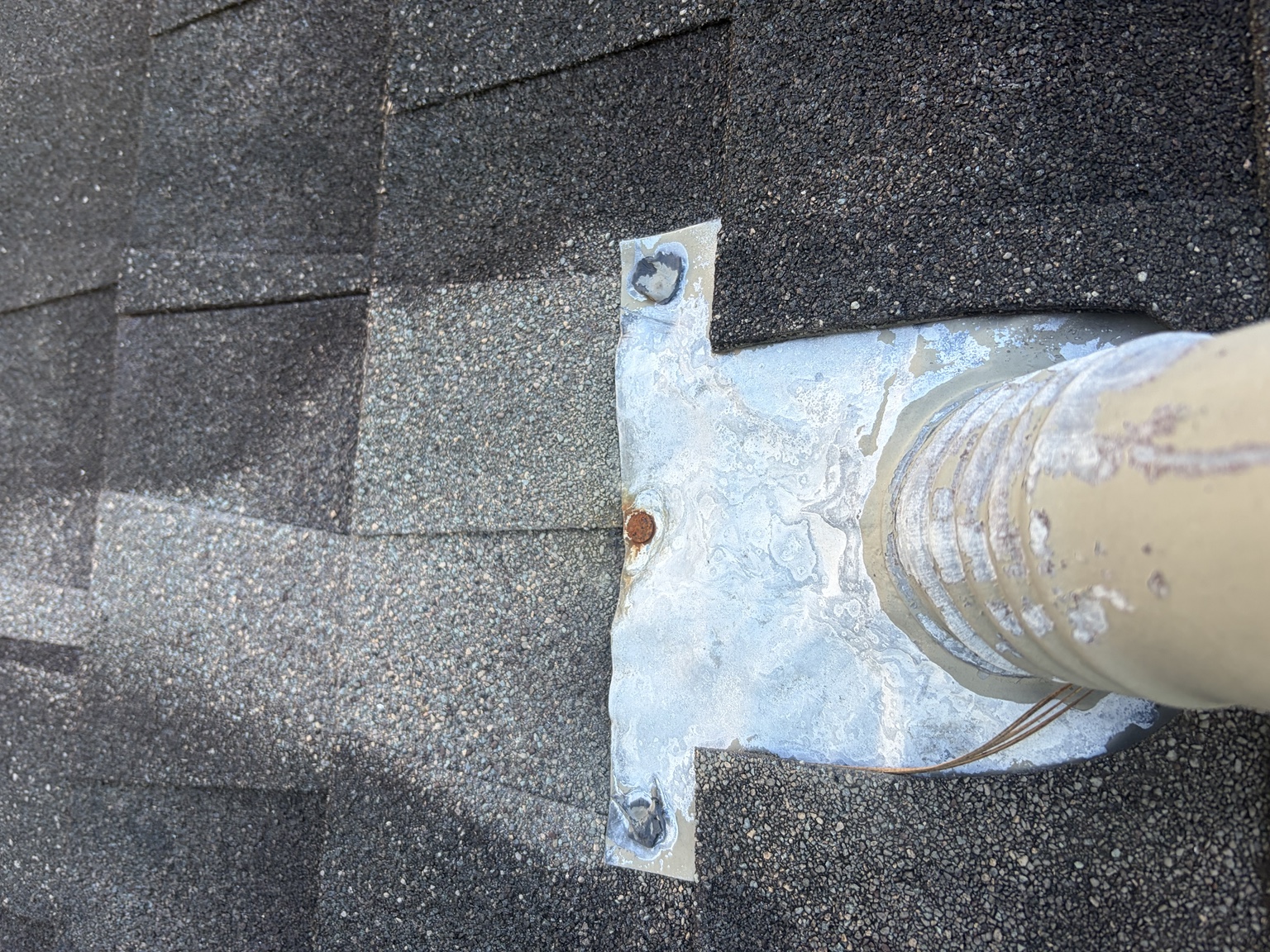
This photo shows an example I identified as neglected maintenance rather than a workmanship issue. The exposed fasteners needed attention and resealing. The installation itself was correct, but the maintenance hadn’t been kept up.
My five-year workmanship warranty covers my installation work. It does not cover leaks caused by neglected maintenance, such as the fastener resealing needed here. That’s why finding the cause of a leak matters before deciding whether it falls under warranty.
We need to determine whether the installation caused the problem or whether the roof needed maintenance. We shouldn’t assume every leak is an installation failure—or dismiss an installation concern without examining it.
If an exposed fastener needs attention, the response should fit the condition we find. A maintenance issue should not automatically turn into a conversation about replacing the whole roof.
Ask your roofer what maintenance your particular roof needs and how to recognize when an inspection is appropriate. You should also understand how maintenance responsibilities are addressed in your written warranty.
What happens if you sell your home?
I also handle the Atlas warranty transfer process when a customer sells their home, subject to Atlas’s applicable transfer requirements.
Tell me when you’re preparing to sell so we can check the warranty issued for your roof and the steps required. Don’t assume the coverage automatically transfers with the deed.
The applicable warranty determines eligibility, deadlines, fees, and what coverage the next owner receives. Getting those details sorted out helps both the seller and the buyer understand what they have.
Questions worth asking before signing
Before you commit to a roofing project, ask:
- What manufacturer warranty is included with this exact roof system?
- How long is the contractor’s workmanship warranty?
- Who handles registration, and what confirmation will I receive?
- What maintenance am I responsible for?
- Who should I contact if a leak develops?
- What happens to the warranty if I sell my home?
You deserve clear answers and written terms you can keep.
My approach is to understand the roof’s condition, explain what I find, and recommend work that fits the problem. Sometimes that means maintenance or a repair. A warranty discussion should help you make an informed decision without pressure.
Holy Hammer Home Services — No Pressure. Just Solutions.
Manufacturer resources: Atlas Signature Select · Atlas warranty registration and transfers. Coverage is governed by the applicable written warranty.